Selective mining
Separate clay horizons and contaminants. Blend lots to stabilize montmorillonite, swelling, color and moisture.
BENTONITE POWDER ENGINEERING GUIDE
A process-led reference for mineral identification, moisture control, crushing, conveying, dry grinding, air classification and application-specific powder design.
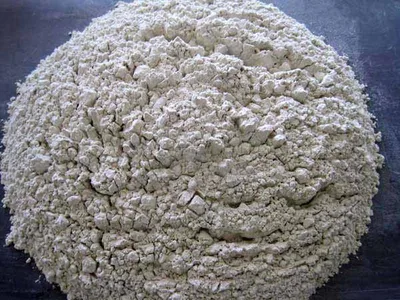
01 / Mineral fundamentals
Bentonite is a clay-rich material dominated by smectite minerals, commonly montmorillonite. Its layered crystal structure carries exchangeable cations and can adsorb water between layers. That mechanism gives useful swelling, thixotropy, binding and adsorption behavior.
Sodium bentonite generally develops stronger swelling and gel formation, making it important in drilling fluids, geosynthetic clay liners and slurry walls. Calcium bentonite usually swells less but can offer useful adsorption and bleaching behavior. Sodium activation with soda ash may improve selected calcium clays, but dosage, aging and moisture must be tested rather than assumed.
Grinding exposes more surface area and improves dispersion, yet excessive heat, uncontrolled drying, soluble salts or over-grinding can change hydration and rheology. A successful plant therefore protects the clay's function, not just its mesh number.
02 / Global occurrence
The chart is a qualitative supply-intensity guide compiled from public geological summaries. Bentonite statistics are reported with different scopes by country, so it is not presented as a market-share table.
Wyoming-type sodium deposits, Mediterranean calcium deposits and Asian volcanic-ash clays can differ in swelling, grit, iron, carbonate, moisture and activation response. Representative bench testing is the first sizing step.
03 / Process engineering
Moisture management is usually the key difference between a generic mineral line and a reliable clay line.
Separate clay horizons and contaminants. Blend lots to stabilize montmorillonite, swelling, color and moisture.
Break lumps gently to a uniform feed while limiting metal and stone contamination.
When required, meter soda ash or another modifier and allow controlled moisture-assisted reaction time.
Reduce free moisture without overheating the clay. Dryer temperature is not the same as product temperature.
Compression and shear reduce the prepared feed; steady metering prevents mill load and PSD swings.
Return coarse particles, collect on-size powder under negative pressure, then blend or pack by grade.
Optional activation can occur before drying or during conditioning. The best sequence depends on clay chemistry and the customer's performance test.
Sticky feed can bridge bins, coat rollers and destabilize the classifier. Measure free moisture by lot.
Aggressive drying may reduce rehydration performance. Track product temperature and final application results.
Quartz and hard inclusions drive wear and coarse residue. Screening or pre-separation may be economical.
Fine clay is easily airborne. Enclosed transfer, negative pressure and pulse filtration are core process equipment.
04 / Powder design
Mesh values are approximate screening references. Critical contracts should use laser PSD D-values, sieve residue and a named functional test.
| Typical powder band | Application examples | Why the range is used | Verify beyond fineness |
|---|---|---|---|
| 80-200 mesh 180-75 um reference | Cat litter granulation feed, low-cost absorbent, civil-engineering blends | Preserves throughput and granule structure where rapid dispersion is unnecessary. | Absorption, dust, granule strength, moisture |
| 200-325 mesh 75-45 um reference | Foundry bonding, iron-ore pelletizing, drilling-fluid base grades | Provides dispersible surface area while keeping process cost and dust manageable. | Wet compression strength, pellet drop, yield point, API tests |
| 400-800 mesh 38-18 um reference | Construction rheology, coatings, adhesives, agricultural carriers | Lower grit and faster wet-out improve smoothness, suspension and formulation consistency. | Residue, viscosity curve, gel strength, color |
| 1250-2500 mesh 12-5 um reference | Specialty rheology, polymer and paper formulations, purified or modified clay systems | High surface area and low coarse tail can improve finish and dispersion, but only if platelets remain functional. | D10/D50/D90, surface treatment, purity, dispersion energy |
Hydration, filtrate control and gel structure matter more than headline mesh.
Binder performance is measured in green strength, hot behavior and pellet durability.
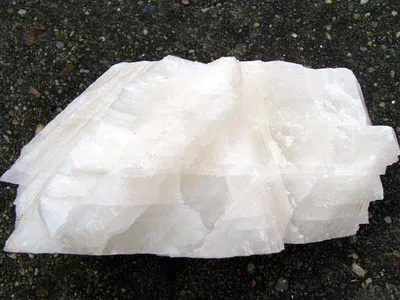
Low grit, repeatable rheology and easy dispersion protect surface quality.
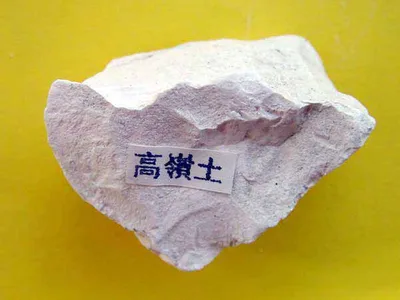
Purity, brightness, particle distribution and modification route become decisive.
05 / Equipment selection
Select the circuit from feed behavior, target PSD, contamination tolerance, capacity and maintenance strategy.
Choose it when: the market accepts a conventional PSD and capital simplicity is the priority.
Choose it when: plant scale, existing utilities or a specific impact/attrition profile justify the footprint.
Choose it when: ultrafine PSD control, compact layout and multi-grade production are central.
06 / CRGM technical data
Catalogue values below are reference ranges, not a bentonite performance guarantee. Moisture, mineralogy and target PSD can materially change output.
| Parameter | CRGM80 | CRGM100 | CRGM125 |
|---|---|---|---|
| Maximum feed size | 20 mm | ||
| Overall dimensions (L x W x H) | 15.9 x 4.2 x 6.1 m | 19.7 x 4.7 x 7.7 m | 23.2 x 4.7 x 7.7 m |
| Main unit power | 75 kW | 132 kW | 185 kW |
| Classifier power | 18.5 kW | 30 kW | 75 kW |
| Blower power | 45 kW | 75 kW | 132 kW |
| Discharge valve | 0.75 x 2 kW | 1.1 kW | 1.5 kW |
| Screw conveyor | 3 kW | 4 kW | 4 kW |
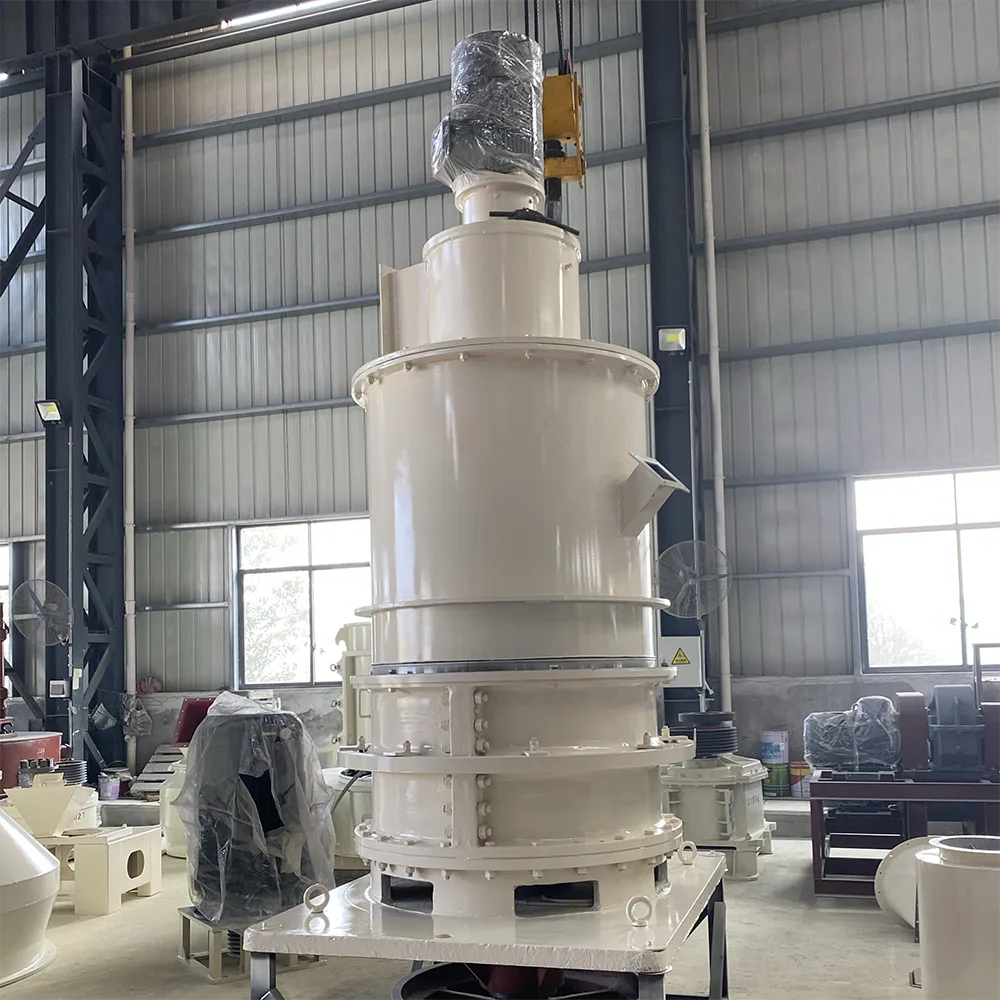
07 / Working principle
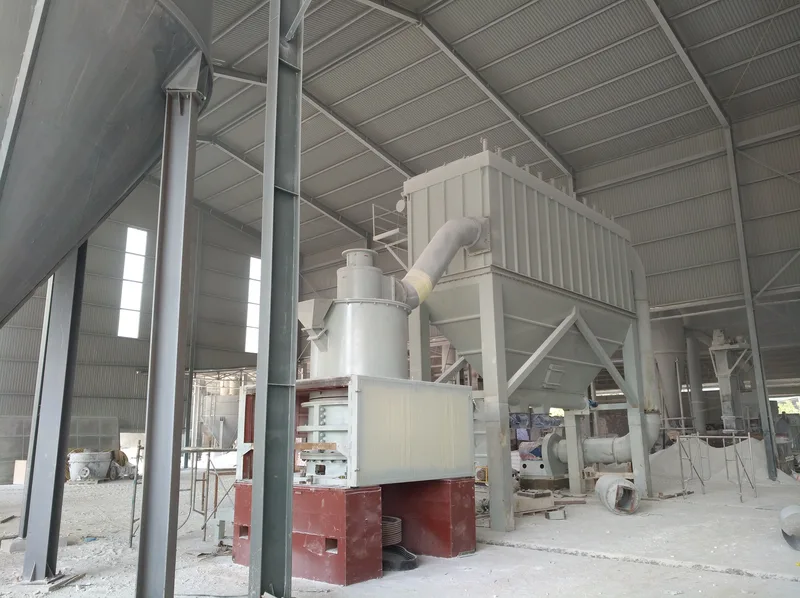
The main motor drives stacked turnplates. Rollers travel against fixed grinding rings, and prepared bentonite is dispersed by centrifugal force through successive grinding zones. Compression, shear and particle-to-particle interaction reduce the material.
A high-pressure blower carries fine particles upward to the classifier. The variable-speed rotor releases particles below the selected cut point; coarse particles lose lift and return for another pass. Cyclones and a pulse bag filter recover product while maintaining negative pressure.
08 / Engineering features
Claims are framed as design features. Project results still depend on feed and operating conditions.
A vertical turbine classifier and variable speed help tune the cut point without changing the grinding chamber.
Main unit, classifier, cyclone, bag filter, fan and conveying form an integrated negative-pressure line.
Rollers, rings, pins and classifier parts are accessible, traceable consumables rather than an uncontrolled media charge.
Feed rate, classifier speed and airflow can be recorded as repeatable recipes for multiple saleable grades.
The catalogue states one-pass product potential down to D97 less than or equal to 5 um under suitable conditions.
Sound-insulation room and muffler design can reduce transmission from the fan and grinding system.
09 / Project evidence
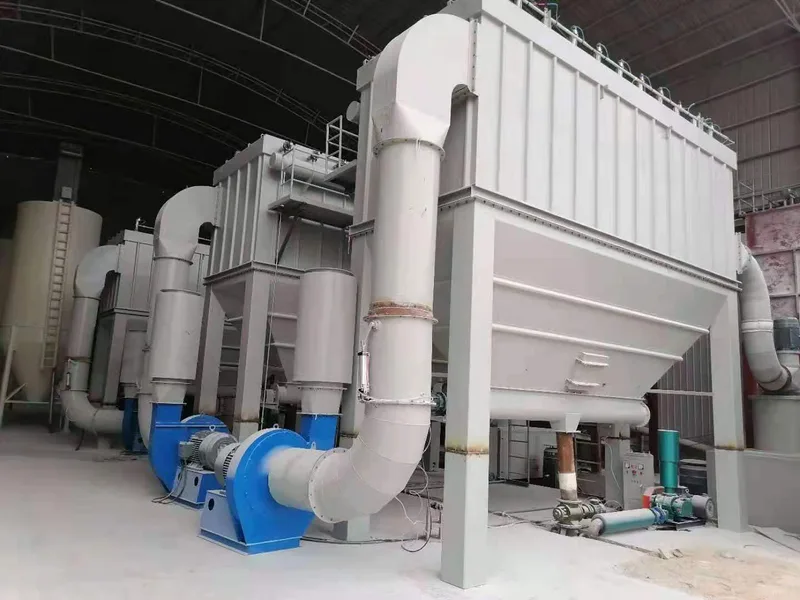
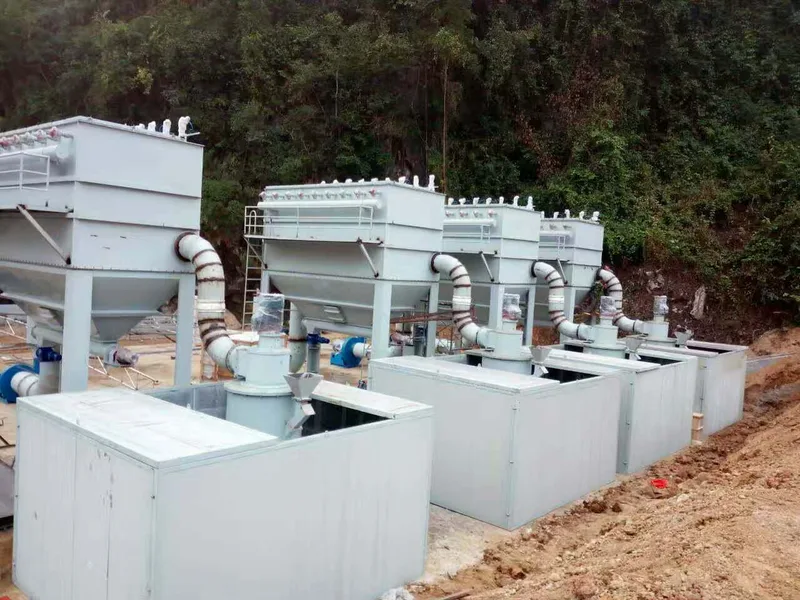
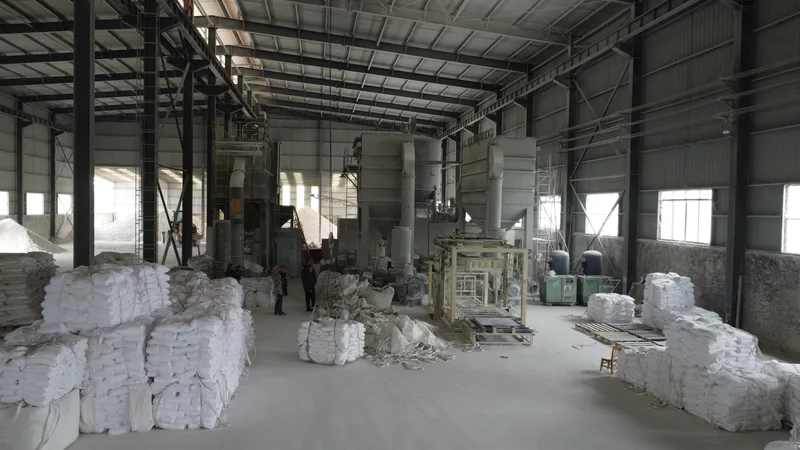
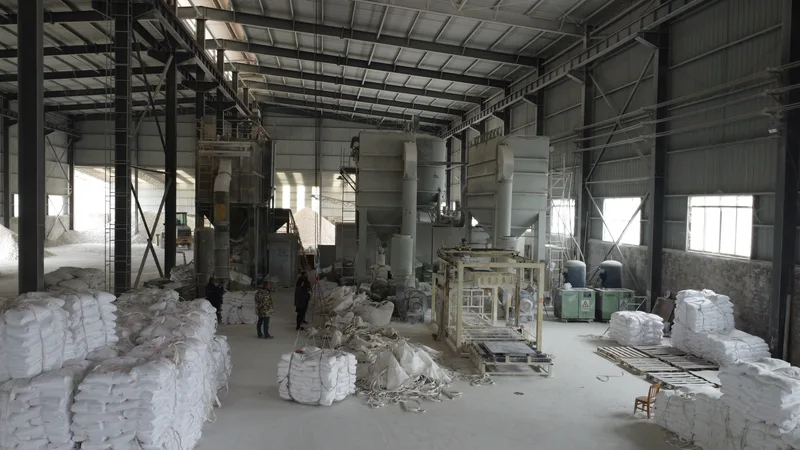
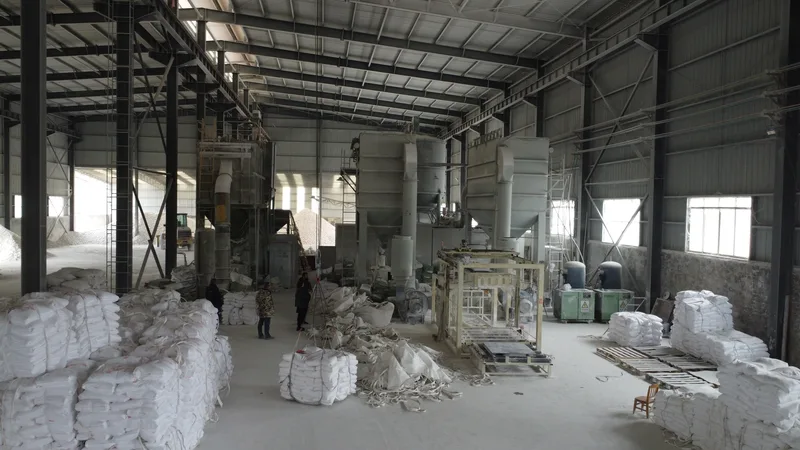
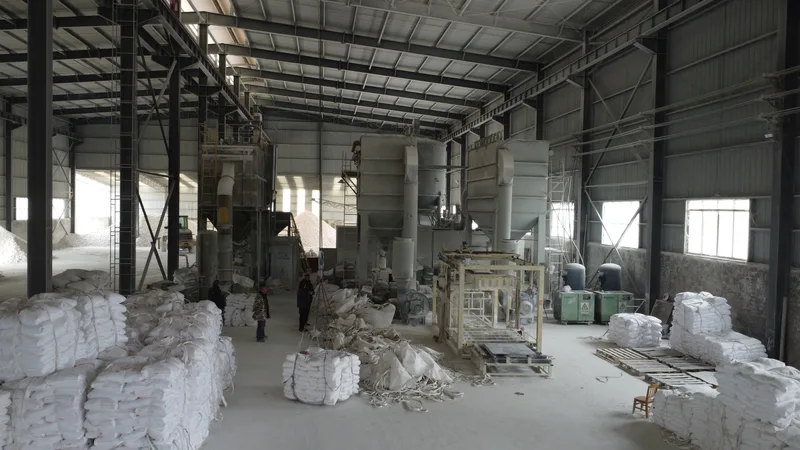
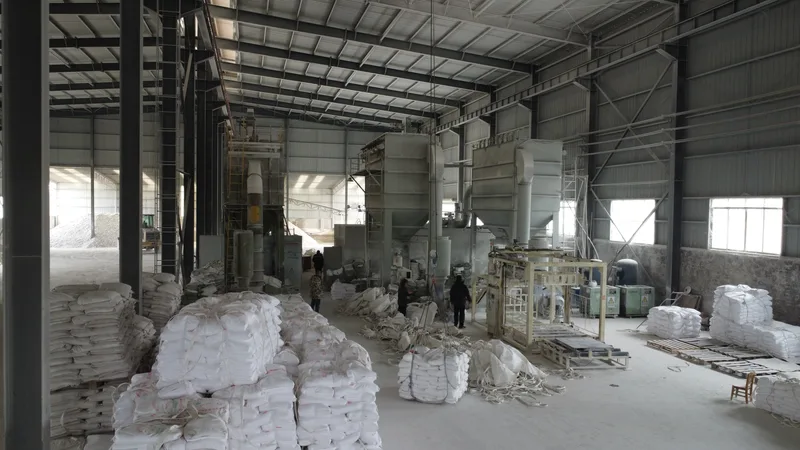
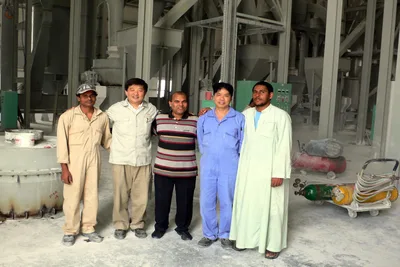
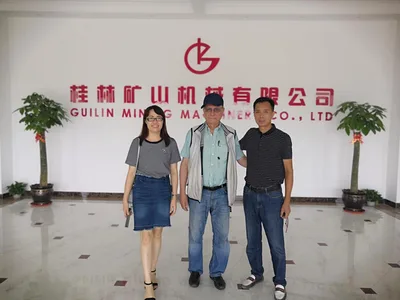
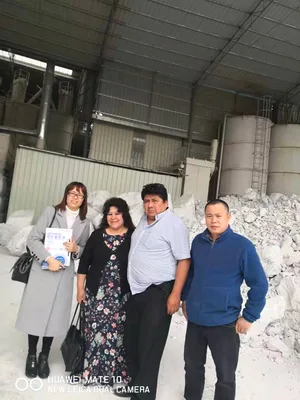
Photos are from Cronus-owned project and factory archives. Final bentonite selection requires a material-specific test; these images document manufacturing and installation capability.
10 / Wear parts
Cronus supplies the components that determine availability and powder consistency. The company has its own casting capability and dimensional records for original equipment, helping balance quality, lead time and lifecycle cost.
Visit the main product catalogue11 / About Cronus
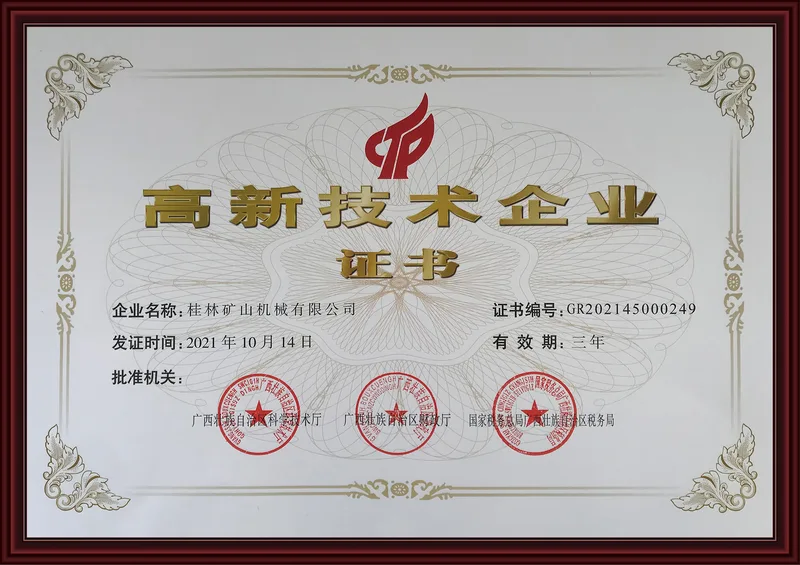
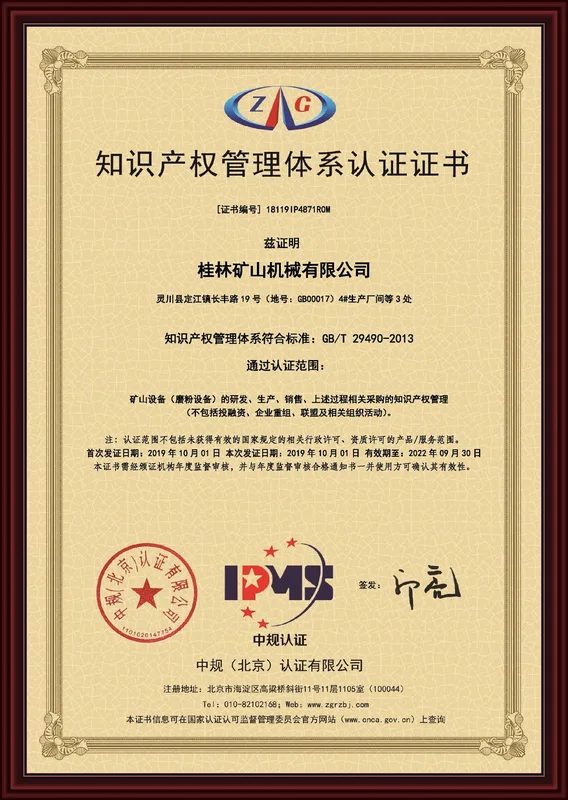
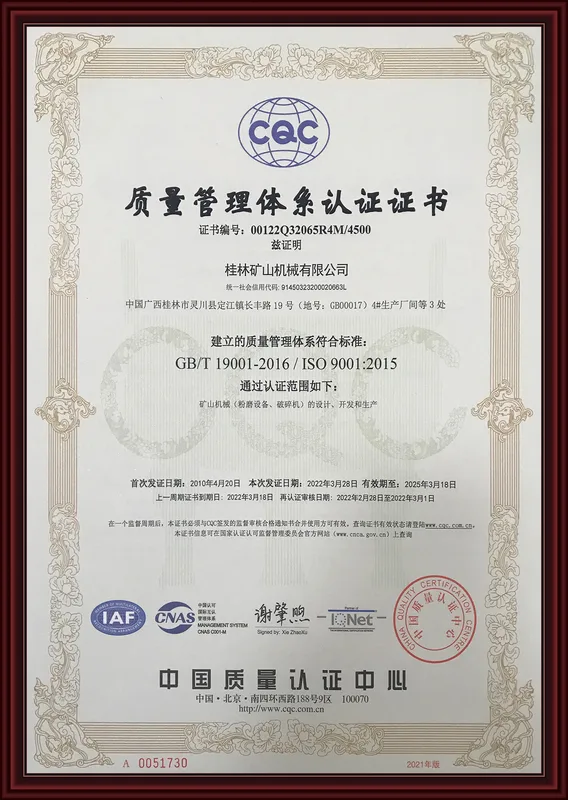
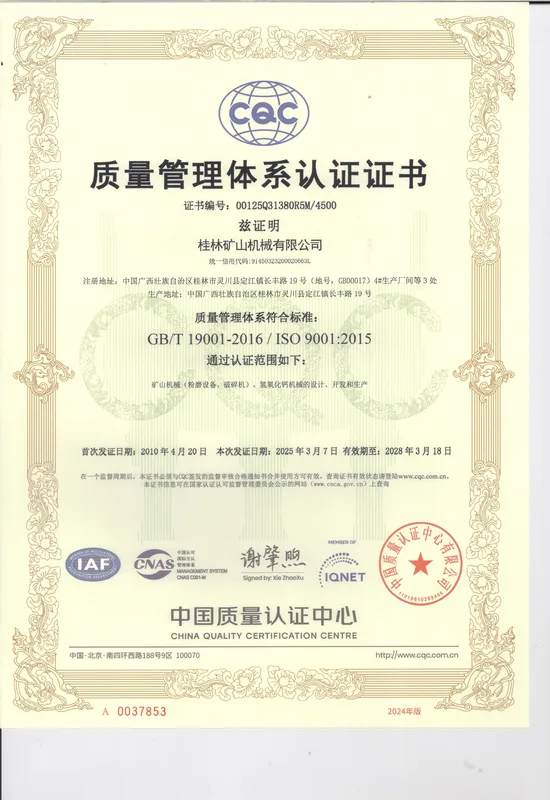
Shanghai Cronus Machinery Co., Ltd. is a wholly owned subsidiary of Guilin Mining Machinery Co., Ltd. Guikuang was founded in 1973 and has more than 50 years of experience in mineral powder equipment manufacturing.
The organization combines Shanghai-based international communication with engineering, casting, machining, assembly and testing resources in Guilin. Its portfolio includes Raymond mills, CRGM ultrafine mills, vertical roller mills and associated powder-processing equipment.
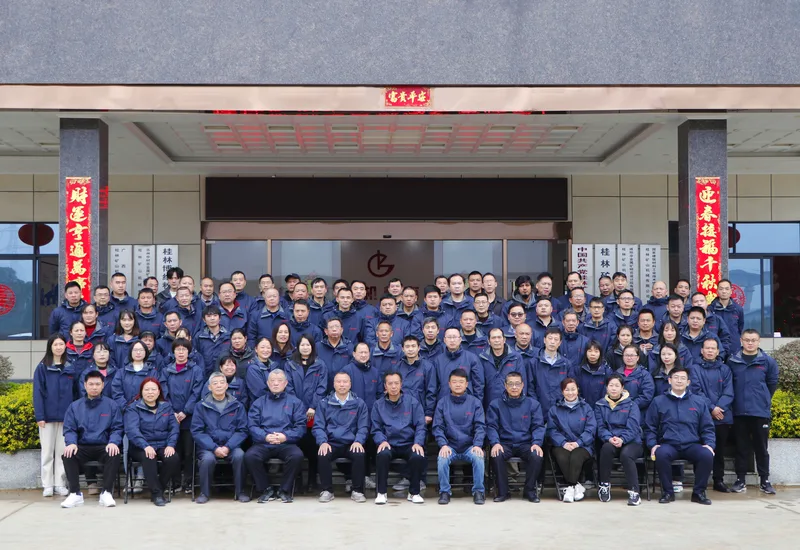 Powder-equipment team backed by a manufacturing organization established in 1973.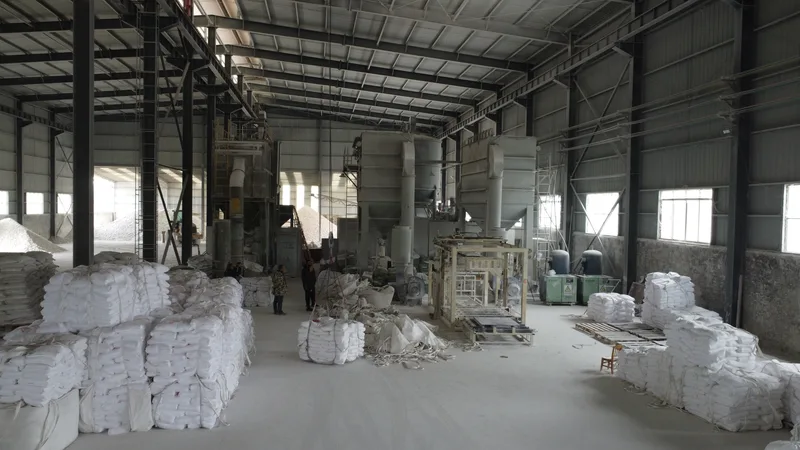
12 / Lifecycle support
Clear acceptance criteria at the start make commissioning faster and protect both parties.
Review moisture, mineralogy, feed size, target PSD, capacity and application test.
Define crushing, drying, storage, activation, milling, collection and packing interfaces.
Inspection records, assembly checks and model-matched component documentation.
Foundation, erection, alignment, electrical and piping support for the agreed supply scope.
Establish safe startup, airflow balance, classifier settings and product recipes.
Daily checks, lubrication, vibration, filter differential pressure and PSD sampling.
Recommended startup spares and wear monitoring based on actual feed abrasiveness.
Operating-data review and troubleshooting through documented measurements.

13 / FAQ
These answers are engineering starting points. A final proposal needs a representative sample and a written product acceptance method.
Normally no. High free moisture promotes bridging, coating and classifier instability. The line should include stockpile control, drying or conditioning to a tested limit.
There is no universal mesh answer. Specify the applicable API or customer rheology and filtrate tests, then determine the PSD that passes those tests economically.
Selected calcium clays can be sodium-activated with soda ash. Success depends on mineralogy, dosage, water distribution and aging time, so activation trials are required.
No. Finer powder may wet faster, but swelling also depends on smectite content, exchangeable cations, salts, drying history and dispersion conditions.
Usually it can produce multiple grades within its classifier range. Each grade requires a validated recipe, and throughput changes with the cut point.
State dry tonnes per hour at a defined feed moisture, feed size, target D-values or residue, and application acceptance test. A catalogue maximum alone is not sufficient.
For conventional 80-400 mesh products with moderate PSD requirements, a Raymond circuit may offer a simpler and economical solution.
Consider it for large established circuits, special impact/attrition requirements or sites that already have ball-mill infrastructure and classifier experience.
Quartz, sand, hard stones and metal contamination often matter more than the clay itself. Test grit and abrasiveness and remove tramp material upstream.
Typical items include rollers, rings, pins, classifier wear parts, filter bags, pulse valves, seals and selected drive or discharge components.
Use enclosed transfer, negative pressure, cyclones and a correctly sized pulse bag filter. Housekeeping and explosion or fire risk assessment must follow the actual material and local rules.
Send 20-50 kg of representative material where feasible, plus source, moisture, feed size, current test results, target PSD, capacity, final use and any additive recipe.
14 / Technical enquiry
Share the bentonite source, sodium or calcium type, moisture, feed size, target fineness, required t/h and end-use test. That information lets the first discussion focus on a workable flowsheet.
Room 801, Building 2, Shanghai Zhicheng, No. 8666 Hunan Road, Pudong New Area, Shanghai, China